Unlocking Vintage Charm with Crumpled Stardust Vol. 3
When you are working on a project that requires a narrative of history and elegance, standard digital assets often fall flat. We have all been there—you have a beautiful photo or a great layout, but the background feels sterile and disconnected. This is where the Crumpled Stardust Vol. 3 | Collection steps in. It is not just a set of textures; it is a toolkit for adding soul to your digital and print designs. If you are a designer, crafter, or content creator looking for that specific "olden day feel" without the hassle of scanning actual vintage paper, this collection solves a very specific, common problem.
The Anatomy of the Texture: What Makes This Set Unique
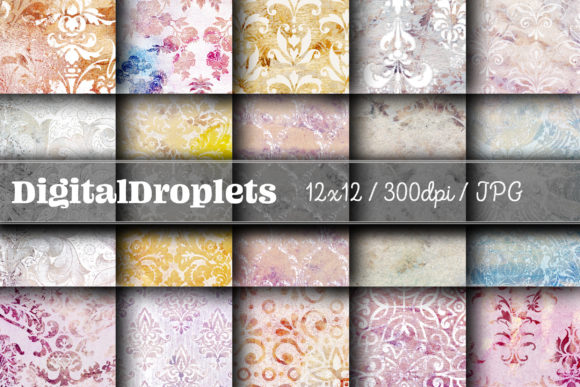
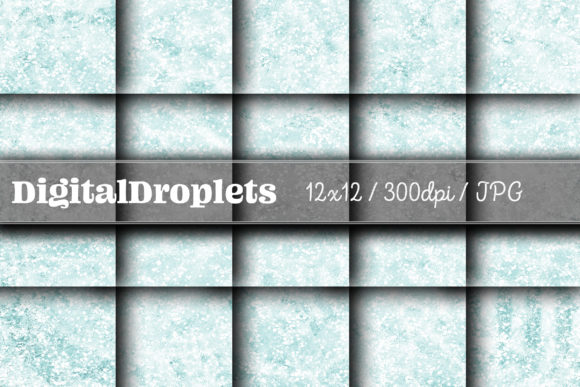
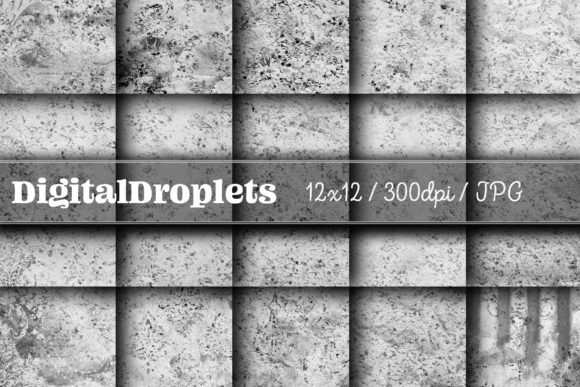
At first glance, you might categorize this simply as "vintage paper," but the Crumpled Stardust Vol. 3 | Collection 12×12 Paper Set offers a much deeper complexity. The defining characteristic here is the layering. We are not talking about a single flat image of a crumpled bag. Instead, these ten high-resolution JPEGs feature intricate damask patterns—a classic choice for editorial design and luxury brand identity—overlaid with glitter textures.
The magic lies in the blending. The creator has integrated alcohol ink and watercolor textures into the fabric of the design. This creates a visual depth that is incredibly difficult to replicate manually. You will notice areas where the cardboard texture bleeds through, grounding the design in reality. This combination of the ornate (damask and glitter) with the rustic (cardboard and crumple) gives the Crumpled Stardust Vol. 3 a personality that is simultaneously whimsical and grounded. It feels tactile. In a digital world, providing a sensory experience through visual texture is a powerful tool for any creative professional.
Practical Applications: Beyond the Scrapbook
While the description highlights scrapbooking, limiting this set to just digital scrapbooking would be a mistake. The versatility of the Crumpled Stardust Vol. 3 | Collection makes it a robust design asset for a wide range of projects.
For graphic designers and entrepreneurs, consider how these textures can elevate your packaging design. If you are selling handmade soaps, candles, or artisanal goods, these papers serve as excellent backgrounds for product labels or thank-you cards. They instantly communicate a handmade, premium quality that aligns with the product inside.
For bloggers and social media managers, consistency is key. These papers work exceptionally well for creating a cohesive aesthetic on Instagram or Pinterest. You can use them as backgrounds for quote graphics, promotional announcements, or photography backdrops for flat lays. Because the files are 300dpi and 12x12 inches, they are high-quality enough for print, meaning you can use the same asset for your digital newsletter and your printed flyers without losing fidelity.
Here are a few specific ways to integrate this collection into your workflow:
- Junk Journals & Mixed Media: The cardboard textures and alcohol ink effects blend seamlessly into physical collage projects. Print them out to create envelopes, tags, and ephemera for your journals.
- Wedding Stationery: The damask patterns offer a romantic, vintage vibe perfect for wedding designs. Use them for save-the-dates, menus, or table numbers.
- Home Decor: These files have enough resolution to be printed as small wall art pieces or framed backgrounds for typography prints.
- Planner Stickers: If you design printable stickers, these textures make for beautiful functional stickers that feel premium.
Strategic Design: Pairing and Integration
Using a heavily textured background requires a strategic approach to visual hierarchy. You cannot simply slap bold text over a busy damask pattern and expect it to be legible. When working with the Crumpled Stardust Vol. 3, you need to think about contrast and readability.
Because these papers have a lot of character, they work best when paired with cleaner elements. If you are overlaying text, consider using a solid shape behind the typography to ensure the message stands out. Alternatively, use these textures for "supporting" elements in your layout—like the background of a sidebar, a header banner, or a decorative frame—while keeping your main content area clean.
Regarding font pairing, this collection begs for typography that complements its vintage charm without competing for attention.
- Sans Serif Fonts: A clean, modern sans serif font can provide a striking contrast to the vintage texture, creating a "modern vintage" aesthetic that feels fresh.
- Script Fonts: A flowing script font or handwritten font can enhance the romantic, whimsical nature of the glitter and damask elements. This is ideal for invitations or greeting cards.
- Serif Fonts: A classic serif font reinforces the traditional feel, perfect for editorial layouts or formal branding.
Maximizing Your Investment
One of the smartest ways to use the Crumpled Stardust Vol. 3 | Collection is to treat it as a modular system. The set includes 10 papers, which are part of a larger 20-paper collection. This allows you to expand your library as your project grows.
Start by downloading the sample freebies mentioned in the collection description. Test them in your current software environment—whether that is Photoshop, Canva, or Procreate. See how they interact with your existing brand identity. Do the colors of the alcohol inks clash with your logo? Or do they complement it?
Remember, these are premium design assets. Because they are high-resolution (300dpi), they are suitable for commercial use in items like business cards, blog design, and even logo design backgrounds. However, always double-check the licensing terms if you plan to sell the files as part of a template pack.
Ultimately, the Crumpled Stardust Vol. 3 offers a practical solution for adding depth and history to your work. It bridges the gap between digital sterility and the tactile warmth of physical craft. Whether you are designing a wedding invitation or a social media graphic, these textures provide a foundation that tells a story before the viewer even reads a single word.