Unlocking the Soul of Vintage Woods Vol. 18: A Designer's Guide
In the world of digital design, texture is everything. Flat, sterile backgrounds often fail to capture the warmth and history we want to convey in our projects. This is where the Vintage Woods Vol. 18 | Collection steps in, offering a solution that bridges the gap between digital precision and the tactile warmth of mixed media. It is not just a set of files; it is a toolkit for adding depth and narrative to your visual storytelling.
The Anatomy of the Aesthetic
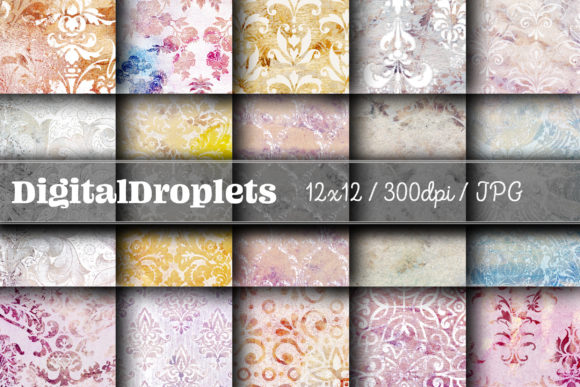
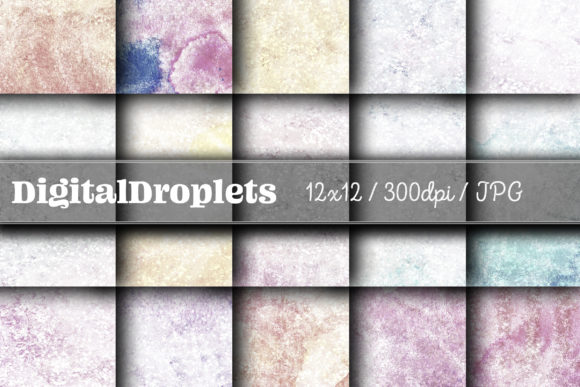
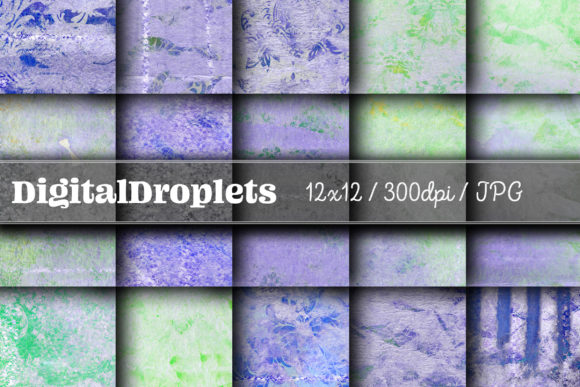
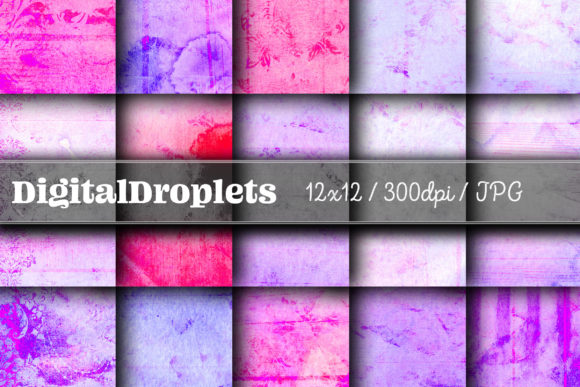
At its core, the Vintage Woods Vol. 18 | Collection is a study in layering and time. The foundation of these 12x12 paper sets lies in the raw, structural beauty of wood grain, but the magic happens in the overlay. We are looking at a sophisticated blend where alcohol ink and watercolor textures dissolve over intricate damask and lace patterns. This creates a visual tension between the rigid, rustic nature of wood and the soft, flowing nature of ink.
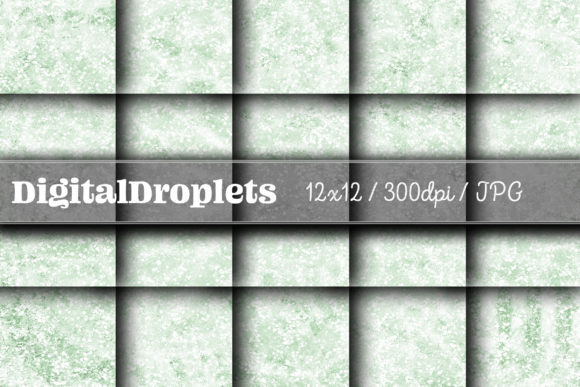
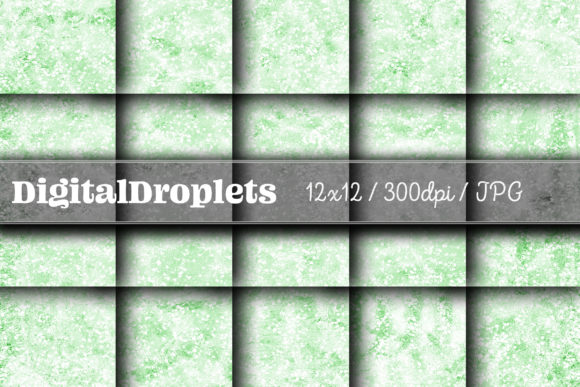
The inclusion of subtle cardboard textures grounds the design, preventing it from feeling too "digital" or artificial. For a designer, this means you are getting high-resolution JPEG files that already possess the complexity of a finished collage. You don't need to stack five different layers in Photoshop to achieve a vintage look; the Vintage Woods Vol. 18 | Collection has already curated that complexity for you. The result is a background that feels lived-in, organic, and rich with character.
Practical Applications for Modern Creators
Understanding the aesthetic is one thing, but applying it effectively is where the value lies. This collection excels in projects that require a touch of nostalgia without sacrificing professionalism. Here is how different professionals can leverage these assets:
- For Scrapbookers and Crafters: The obvious application is digital scrapbooking. These textures serve as perfect backdrops for family photos, particularly those with a sepia or matte finish. They also work exceptionally well for creating custom "washi tape" strips or die-cut shapes that look like they were stamped on real wood.
- For Brand Strategists and Entrepreneurs: If you are building a brand identity for a boutique, a coffee shop, or a handmade goods store, these textures can define your visual language. Use them as the background for social media graphics to create a consistent, cozy atmosphere that invites engagement.
- For Publishers and Bloggers: In editorial design, these papers can be used to create chapter dividers, pull-quote backgrounds, or distinct section headers that break the monotony of standard text. They add a layer of sophistication to blog headers or newsletter graphics.
Enhancing Visual Hierarchy and Brand Perception
One of the most overlooked aspects of using textured backgrounds like the Vintage Woods Vol. 18 | Collection is how they influence visual hierarchy. A busy background can sometimes compete with foreground text. However, the vintage style of these papers—muted tones and blended patterns—often acts as a "quiet" background that supports, rather than shouts over, the main content.
When you use these textures, you are making a deliberate choice about brand perception. You are signaling warmth, authenticity, and a connection to tradition. This is particularly powerful for businesses in the lifestyle, artisan, or heritage sectors. It moves a brand away from the cold, corporate feel of stock photography and toward something that feels handmade and curated.
Design Considerations and Pairings
To get the most out of the Vintage Woods Vol. 18 | Collection, consider how you pair it with typography. Because the backgrounds feature wood grain and damask, they have a distinct "personality." They pair best with:
- Serif Fonts: A classic serif typeface complements the traditional feel of the wood and lace, creating a timeless editorial look.
- Script or Handwritten Fonts: For a more personal touch, such as in junk journals or wedding invitations, a flowing script font works beautifully against the rigid wood grain.
- Modern Sans Serif: If you want to create a "vintage-modern" contrast, pair these textured backgrounds with a clean, bold sans serif. This juxtaposition makes the design feel current while respecting the retro aesthetic.
Always test your readability. If your text is getting lost in the texture, try adding a subtle shadow or placing a semi-transparent shape (like a vellum overlay) between the text and the background. This allows the beauty of the Vintage Woods Vol. 18 | Collection to show through without compromising the legibility of your message.
Conclusion: A Versatile Asset for Your Toolkit
Ultimately, the Vintage Woods Vol. 18 | Collection offers a high-resolution, versatile foundation for a wide range of creative projects. Whether you are designing a logo, creating marketing collateral, or assembling a digital scrapbook, these 10 papers provide the texture and depth needed to elevate your work. They remind us that in a digital age, there is still immense power in designs that look and feel like they have a history.