Timeless Texture: Working with Vintage Woods Vol. 14
There is a specific challenge in digital design that many creators face: making a screen feel tangible. We spend hours looking at pixels, trying to manufacture warmth and history in a medium that is inherently sterile. That is where the right design assets become critical. I have been working with the Vintage Woods Vol. 14 | Collection recently, and it solves this problem with a sophisticated layering technique that goes beyond standard textures. This is not just a set of wooden planks; it is a blend of industrial grit and delicate elegance.
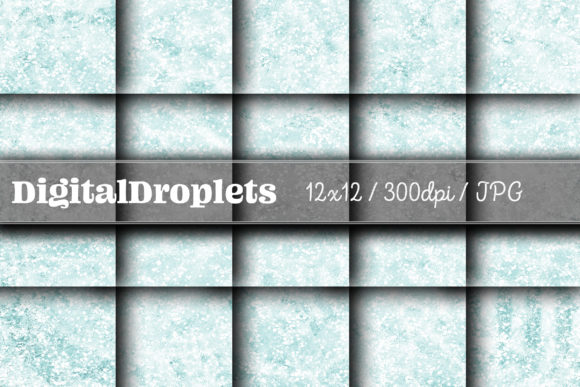
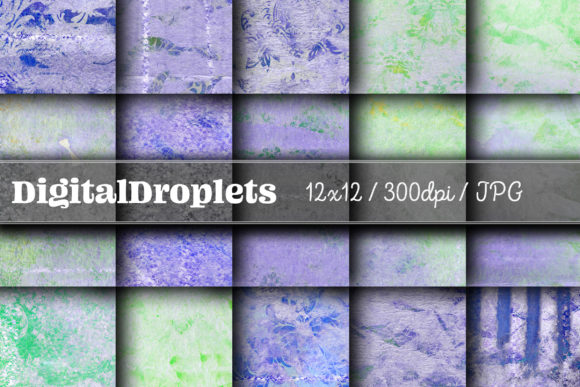
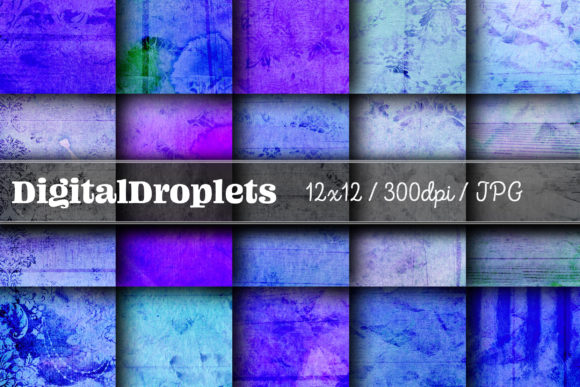
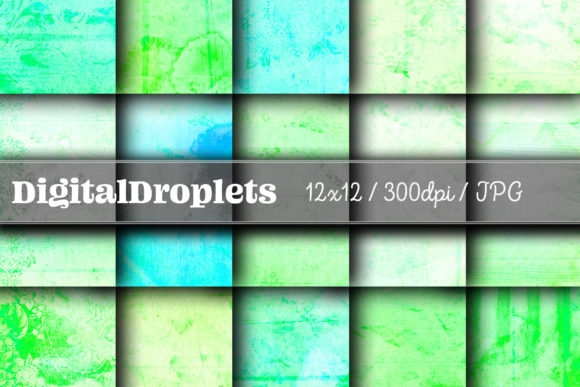
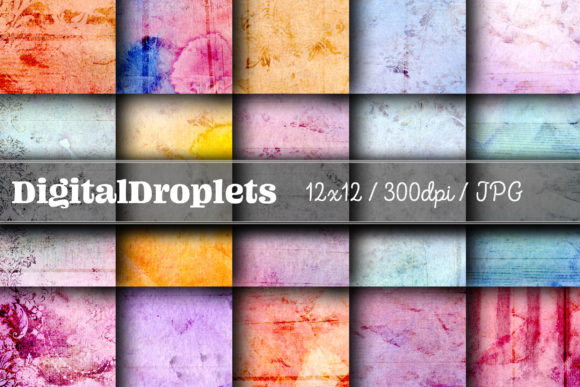
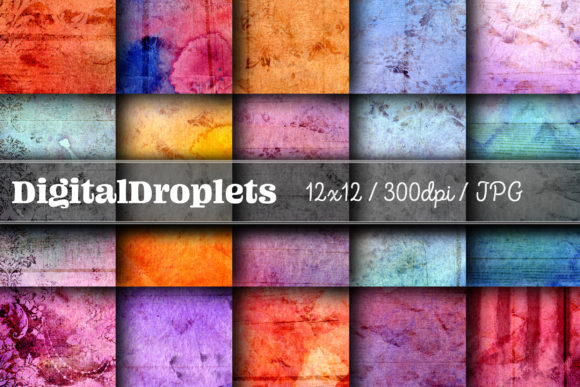
The visual identity of this 12×12 Paper Set relies on its complexity. If you look closely, you will see that the manufacturer has overlaid rough, worn wooden textures onto vintage paper backgrounds. But the magic lies in the middle layers. They have introduced alcohol ink or watercolor washes that blend over damask and lace patterns. The result is a background that has depth. It feels like an artifact found in an attic—something that has lived a life. For anyone working in editorial design or creating junk journals, this kind of complexity is invaluable because it reduces the need for additional embellishments. The background itself tells a story.
Visual Characteristics and Atmosphere
When I evaluate a premium font or a texture set, I look for personality. The Vintage Woods Vol. 14 collection leans heavily into a "shabby chic" aesthetic, but it avoids looking cheap. The cardboard and wood grain elements provide structure, while the lace and watercolor elements provide softness. This duality makes it incredibly versatile. It is not just a rustic texture; it is a romantic one.
For brand identity work, this texture set communicates authenticity. It suggests that a brand values handcraft, patience, and organic materials. If you are designing for a coffee roaster, a boutique clothing line, or a handmade candle business, these textures establish an immediate emotional connection with the audience. It moves the design away from the "corporate" feel of flat, solid colors and toward something that feels human and approachable.
Strategic Applications for Modern Creators
While this is a digital asset, its best applications often mimic physical media. Here is how I would recommend utilizing the Vintage Woods Vol. 14 across different projects:
- Junk Journals and Scrapbooking: This is the most obvious use case. The 300dpi resolution ensures that if you print these pages, the texture holds up. You can use them as base layers for photos without worrying about the background looking pixelated or blurry.
- Packaging Design: If you are designing labels for artisanal goods, these textures work beautifully as background layers. Overlay a clean sans serif font in white or cream, and you have an instant "farm-to-table" aesthetic.
- Social Media Graphics: In a feed dominated by flat vector art and neon gradients, a textured, earthy background stops the scroll. Use these for quote cards or sale announcements where you want the text to feel grounded.
- Web Design: Be careful here. Large textured backgrounds can slow down a site. However, using these as banners or hero section overlays (with reduced opacity) can add significant character to a blog or portfolio site.
Pairing Typography with Texture
One of the most common mistakes I see is pairing a complex background with a complex typeface. If you are using the Vintage Woods Vol. 14 papers, your typography needs to breathe. Because these backgrounds feature lace and ink splatters, they have a lot of "noise." You need a font pairing that cuts through that noise.
I would avoid heavy script fonts or overly ornate serif fonts for body copy. Instead, look for a sturdy, geometric sans serif font for headlines. The clean lines of a modern geometric typeface will contrast nicely with the organic, vintage feel of the wood and lace. For subheadings, a simple handwritten font with good legibility can work, provided it is not too thin. If the text gets lost in the texture, the design fails its primary function: communication.
Evaluating Project Fit and Commercial Use
Before you commit to using a specific asset, you have to ask if it fits the narrative. The Vintage Woods Vol. 14 collection is specific. It is not a neutral background. It has a strong point of view. It works best for projects that require a sense of history, warmth, or nostalgia.
It might not be the right choice for a fintech app or a futuristic gaming channel. However, for a wedding photographer’s album, a bakery’s menu, or a lifestyle blogger’s media kit, it is perfect. Always consider your audience. If your demographic responds to handcraft and tradition, these design assets will resonate deeply.
Technical Considerations
The set includes 10 JPEG files at 12x12 inches and 300dpi. This is standard for print-ready design. However, remember that these are raster images, not vectors. You can scale them down, but you cannot scale them up significantly without losing quality. Keep this in mind if you are planning large format printing like posters or banners.
Also, note that these 10 papers are part of a larger 20-piece collection. If you find that the specific wood grain or ink overlay you love isn't in this specific set, check the full collection to ensure you have the complete palette for your brand identity system.
Final Thoughts on Execution
Good design is about restraint. Just because you have a beautiful texture doesn't mean you need to use it at 100% opacity on every surface. Play with the blending modes in your software. Multiply, Overlay, and Soft Light can transform these textures into subtle watermarks or bold statements. Treat the Vintage Woods Vol. 14 | Collection not just as a background, but as a layer in a larger visual conversation. When used thoughtfully, these assets bridge the gap between digital convenience and the tactile beauty of the physical world.