GoldenVintageGarden Vol. 51: A Designer's Guide to Layered Texture
Understanding the Visual Depth of This Collection
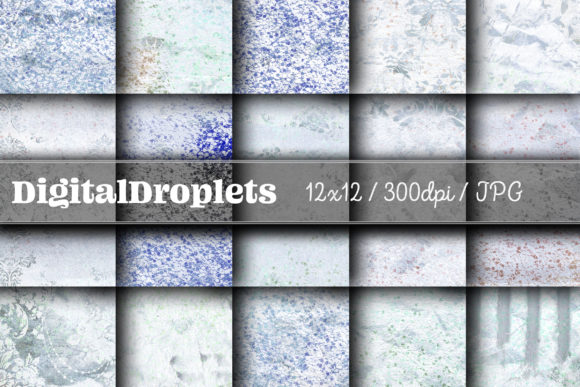
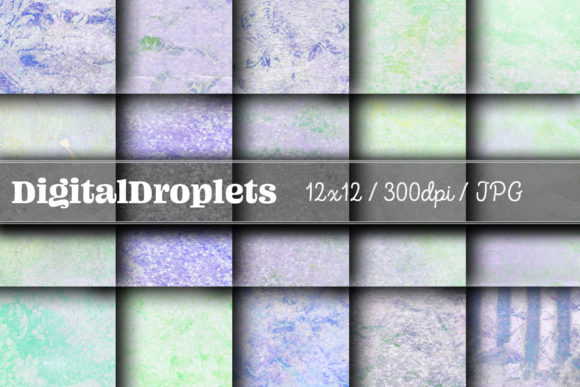
When building a brand identity or designing a layout, the foundation isn't always the typography—it is often the environment the text lives in. The GoldenVintageGarden Vol. 51 | Collection offers a specific solution for this: a curated set of 10 high-resolution 12x12 digital papers. However, describing these merely as "backgrounds" undersells their utility. These are complex, multi-layered design assets that blend the tactile feel of analog materials with digital precision.
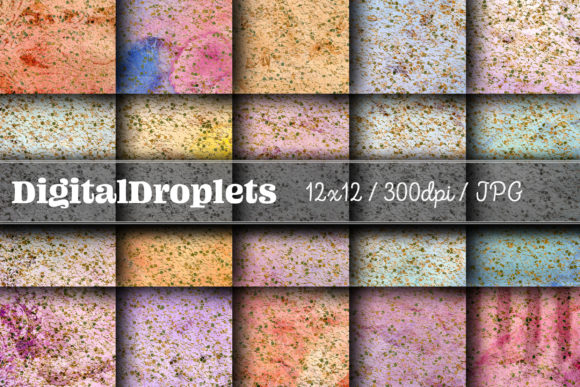
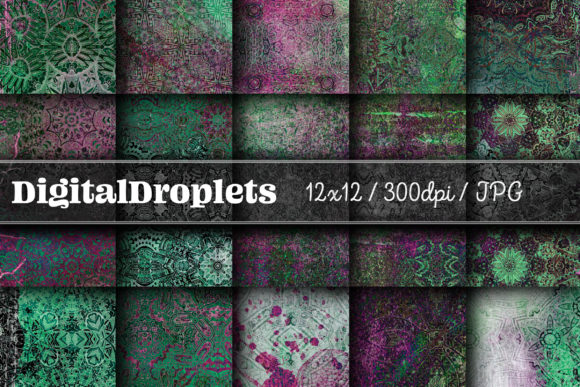
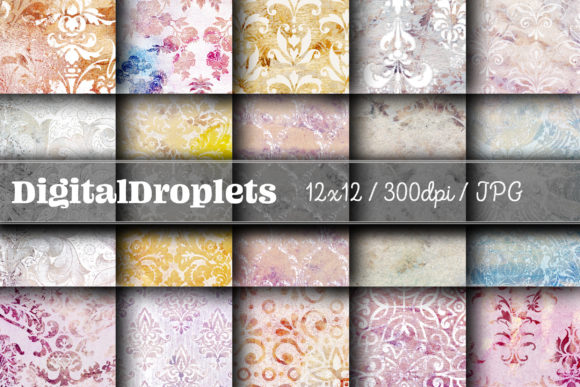
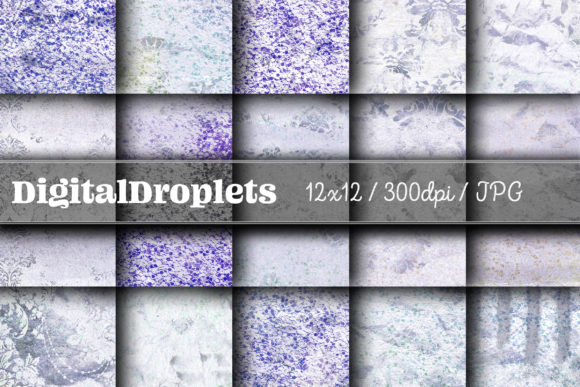
The visual language of this specific volume is rooted in contrast. It pairs the structured elegance of damask and lace patterns with the raw, organic nature of cardboard textures. To bridge these two opposing styles, the design utilizes subtle glitter textures and fluid alcohol ink or watercolor washes. This layering technique creates a sense of "vintage realism." Unlike flat digital colors that can feel sterile, these papers possess a depth that mimics physical mixed media. The golden tones suggest warmth and nostalgia, making the GoldenVintageGarden Vol. 51 | Collection particularly effective for projects aiming to evoke a sense of history, comfort, or artisanal quality.
Strategic Applications: From Scrapbooks to Brand Identity
While the product description highlights traditional uses like scrapbooking and junk journaling, the applications for digital professionals are far broader. As a designer or content creator, you are constantly looking for design assets that can be repurposed across different mediums. This set is versatile enough to serve as a cohesive element in a wide range of projects.
For packaging design, these textures work exceptionally well as wrap patterns for boutique products, particularly in the wellness, confectionery, or artisanal craft sectors. The watercolor blends add a "hand-made" feel that consumers associate with premium quality. In editorial design, such as magazine layouts or lookbooks, these papers can serve as full-page bleeds or sidebar accents, providing a rich backdrop that makes typography pop without overwhelming the content.
Digital creators, including bloggers and social media managers, can leverage these textures for web design and social media graphics. A subtle damask overlay can add sophistication to a Pinterest pin or an Instagram story background. Because the files are high-resolution (300dpi), they translate seamlessly from screen to print, ensuring that a brand identity remains consistent whether viewed on a mobile device or printed on a business card.
Specific Use Cases for Creative Professionals
- Junk Journals & Mixed Media: Use the cardboard textures as a base layer for digital collage, overlaying vintage photos to create depth.
- Invitations & Stationery: The subtle glitter textures catch the light beautifully, making them ideal for wedding invitations or holiday cards.
- Planner Stickers & Washi Tape: For digital planner enthusiasts, these patterns provide the aesthetic of physical tape and stickers.
- Photography Backdrops: Portrait photographers can composite subjects onto these backgrounds to create stylized fine art portraits.
Integrating Texture with Typography
One of the most common challenges when using textured backgrounds is maintaining readability. A busy pattern can clash with typefaces, rendering text illegible. The GoldenVintageGarden Vol. 51 | Collection mitigates this through its use of "subtle" glitter and blended inks. The textures are present but not overpowering, allowing for strategic text placement.
When pairing these backgrounds with fonts, consider the personality of the paper. The vintage, romantic nature of the lace and damask patterns pairs well with serif fonts and script fonts. A classic serif typeface reinforces the historical feel, while a flowing script font enhances the elegance of the lace motifs. For a more modern contrast, a clean sans serif font can provide a sharp, contemporary edge that prevents the design from looking too dated.
If you are working on logo design or header graphics, use these textures as a "knockout" or a fill. This technique involves using the texture to fill the shape of the letters. It adds a vintage flair to modern typography without requiring complex illustration. However, for body text in editorial design or blog posts, it is advisable to use a solid, semi-transparent overlay behind the text block to ensure the display font or body copy remains legible.
Practical Workflow and Commercial Usage
For entrepreneurs and small business owners, the value of a design asset lies in its flexibility and licensing. The GoldenVintageGarden Vol. 51 | Collection is a premium font and asset set that functions as a toolkit for various commercial applications. Whether you are creating digital downloads to sell, designing merchandise, or building client presentations, the included JPEGs provide the necessary high fidelity.
When incorporating these papers into your workflow, remember that they are part of a larger ecosystem. The listing notes that this volume is part of a 20-paper set. If you find the style resonates with your audience, exploring the other variations can help you build a comprehensive library of design assets. This ensures that your brand identity has enough variety to keep content fresh while maintaining a consistent aesthetic tone.
Tips for Testing and Selection
- Evaluate the Light Source: Look at the shadows and highlights in the texture. Ensure your lighting in 3D mockups or photo composites matches the light source implied in the paper.
- Color Grading: The "Golden" aspect of the collection implies a specific color temperature. Adjust the hue/saturation of the papers slightly to match your brand's specific color palette if necessary.
- Scalability: Because these are 12x12 300dpi files, they are excellent for square formats (Instagram, album covers) but can also be tiled for larger web design banners or cropped for A5 invitations.
Ultimately, the GoldenVintageGarden Vol. 51 | Collection